Finasteride Dutasteride MHRA Warning: Updated Side Effects Advice
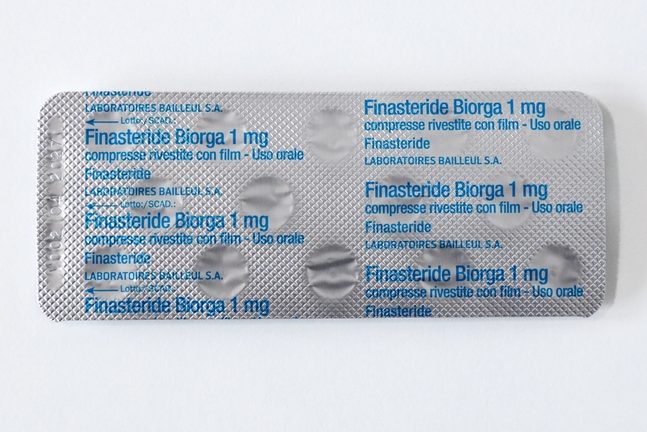
An important Dutasteride Finasteride MHRA warning has been issued on side effects for mental and physical health. Psychiatric side effects and sexual dysfunction are the main concern. Anyone taking or considering these medicines for hair loss should stay calm, but they should also stay informed, monitored, and supported.
Doctors prescribe finasteride 1 mg for male pattern hair loss, while they use finasteride 5 mg and dutasteride-containing medicines for benign prostatic hyperplasia. This distinction matters because many hair loss patients access finasteride through private prescriptions, online clinics, or hair restoration services, where face-to-face follow-up may be limited.
The MHRA has issued an important finasteride dutasteride MHRA warning with updated safety information on psychiatric side effects and sexual dysfunction (MHRA Drug Safety Update). For anyone taking or considering these medicines for hair loss, the message is not to panic, but to be properly informed, monitored, and supported.
What we know about finasteride and dutasteride

Finasteride and dutasteride are prescription medicines that block an enzyme called 5‑alpha reductase, which converts testosterone into dihydrotestosterone (DHT). DHT plays a role in hair loss and prostate enlargement, so reducing DHT can help with male pattern hair loss and benign prostatic hyperplasia (BPH).pmc.ncbi.nlm.nih+5
Finasteride 1 mg is licensed for male pattern hair loss, while finasteride 5 mg and dutasteride are licensed for BPH, although dutasteride is sometimes used off‑label for hair loss in specialist settings. Both medicines are usually taken long‑term, and any decision to start or continue treatment should balance potential benefits with the known risks, including the mental health and sexual side effects highlighted in the recent MHRA warning.
What has the MHRA said?
In its latest finasteride dutasteride MHRA warning, the MHRA says it has reviewed evidence for these medicines and the risk of suicidal thoughts and behaviours, and has recommended further measures to minimise this risk (MHRA Drug Safety Update). The update covers psychiatric side effects including depression, low mood, mood alterations, suicidal thoughts, suicidal ideation, and suicidal behaviours (MHRA Drug Safety Update).
The update also covers sexual side effects, including decreased sex drive, erectile dysfunction or difficulty having an erection, and ejaculation problems (MHRA Drug Safety Update). The MHRA states that sexual dysfunction may persist after treatment is stopped and that sexual dysfunction may contribute to mood disorders or be reported without mood alterations (MHRA Drug Safety Update).
Why this matters in hair loss consultations
Hair loss is emotionally difficult for many people, and treatment decisions can feel urgent. That makes it especially important that prescription medicine discussions include mental health, sexual health, expectations, risks, and follow-up.
The MHRA advises healthcare professionals to inform patients of the risks of depression, suicidal ideation, and sexual dysfunction at the point of prescribing (MHRA Drug Safety Update). It also advises healthcare professionals to review medical records for a history of depression or suicidal ideation before prescribing and to review patients regularly for psychiatric and sexual side effects (MHRA Drug Safety Update).
For trichologists, hair-loss clinics, barbers, salons, and scalp-health professionals, this is a reminder to stay within professional boundaries. Non-prescribing professionals should not tell clients to start, stop, or change prescription medicines, but they can ask whether a client is taking hair-loss medication, document concerns, and signpost the client back to their prescriber.
What should patients do?
If you are taking finasteride 1 mg for hair loss and you develop depression or suicidal thoughts, the MHRA advises you to stop taking the medicine immediately and contact your doctor as soon as possible (MHRA Drug Safety Update). In cases where you are taking finasteride 5 mg or dutasteride and you develop depression or suicidal thoughts, the MHRA advises you to contact your doctor as soon as possible (MHRA Drug Safety Update).
If you experience decreased sex drive, difficulty having an erection, or ejaculation problems, the MHRA advises you to contact your doctor for medical advice (MHRA Drug Safety Update). If you have seriously harmed yourself or feel you are at risk of serious harm, the MHRA advises contacting emergency services on 999 immediately (MHRA Drug Safety Update).
Questions to ask before or during treatment
If you are discussing finasteride or dutasteride with a prescriber, consider asking:
- What benefits should I realistically expect, and over what timeframe?
- What side effects should I look out for?
- What should I do if my mood changes?
- What should I do if I notice sexual side effects?
- How often will I be reviewed?
- Who should I contact if I am worried?
- Is this treatment appropriate if I have a history of depression or suicidal thoughts?
These questions are not intended to replace medical advice. They are prompts to help make the consultation safer, clearer, and more personalised.
What should trichologists and hair-loss clinics do now?
Trichology and hair-loss professionals should use the MHRA update as a prompt to review consultation forms, client questionnaires, signposting, and referral pathways. In particular, clinics should ask whether a client is currently taking finasteride, dutasteride, or any other prescription treatment for hair loss.
Clinics should also document when clients report mood changes, sexual side effects, or distress, and should signpost clients to their prescriber or urgent support where appropriate. The MHRA advises suspected adverse drug reactions to be reported through the Yellow Card scheme, with useful details including medical history, concomitant medication, onset timing, and treatment dates (MHRA Drug Safety Update).
A responsible approach to hair loss treatment
Finasteride and dutasteride are important medicines, and many patients will want balanced advice rather than alarm. The right response to the MHRA update is not fear, but better counselling, better monitoring, and better conversations about mental health and sexual health.
For anyone taking or considering these medicines after the finasteride dutasteride MHRA warning, the aim is not to panic, but to be properly informed, monitored, and supported.