Where does the hair for extensions come from?
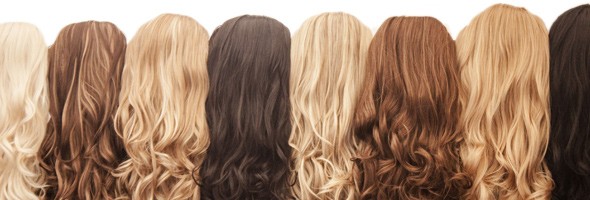
Today’s style icons, TOWIE, the Kardashians, magazines, facebook, pinterest are all feeding the demand for hair extensions. Clients with hair and scalp conditions, or who have lost hair through illness, are also increasingly looking for help. They want to enhance their appearance.
Imports
Britain imports around £43 million worth of human hair a year to satisfy the desire of clients to enhance their natural hair. And the demand is growing. But where does the hair for these extensions come from, you may wonder?
A recent article in The Spectator magazine has again raised the question. Can hair professionals and clients trust the stated country of origin, where there is one, of the hair they’re using?
A small proportion of the human hair used in the UK comes from British women, and users can generally be sure of its origin.
Tracing the origin
But most is imported from countries like India, China, and Brazil. Women there sell their long hair to agents to enhance their low incomes. Russia and Eastern Europe are also important sources for good quality, fairer human hair. However, the agents likely sell the hair on, and it moves from country to country. It accumulates into larger batches, making it difficult if not impossible to trace.

What do hair professionals think of the way hair is supplied?
Christine Watts runs Wattz International, a specialist hair loss clinic in Kent: “I don’t think most professionals, or their clients, worry too much about where the hair comes from. We’re more focused on the quality of the hair and how it can enhance the appearance. We accept that we may not know precisely the source of where hair for extensions originates. We have to trust our suppliers“.
Of course, not every wig and extension is made of human hair. Man-made fibre is now increasingly used and is less expensive than human hair. But it does still have its limitations. Most synthetic fibres can be damaged by heat and friction. And some heat-resistant fibres won’t take colour.
Virgin hair
So genuine, human hair is still the most popular option for those who can afford it. This is particularly true for so-called ‘virgin’ hair. It is completely untreated, natural hair, with the cuticles intact and aligned, ensuring a lasting sheen and preventing tangling. This is referred to as ‘root point correct’.
Christine Watts is convinced that the demand will continue to grow: “Everyone is so fashion-conscious today. With clients asking for products like 22 inch extensions, I think demand is bound to outstrip supply.”
If that’s correct, we’re likely to see suppliers looking even further afield for their supplies of natural hair. Consequently, the use of high quality synthetic hair is likely to increase. Where does hair for extensions come from if demand surges? Exploring new sources will become inevitable.
Further reading on this subject: an American hair professional’s journey in search of the source of human hair.
Christine Watts raises one intriguing point about the use of human hair: “What if you committed a crime and left DNA evidence behind? It might be the DNA of the hair donor and not yours. How confusing is that?!”
What do YOU think about the sourcing of natural hair? Let us know!